In today’s digital-first economy, data is no longer just a byproduct of business operations—it has become a strategic asset. The rise of Big Data has transformed how companies operate, compete, and innovate. From predicting customer behavior to optimizing supply chains, businesses across industries are leveraging vast amounts of structured and unstructured data to gain a competitive edge.
This article explores real-life examples of Big Data applications in business, highlighting how leading organizations use data-driven strategies to drive growth, improve efficiency, and enhance customer experiences.
What Is Big Data in Business?
Big Data refers to extremely large datasets that cannot be processed efficiently using traditional data-processing tools. It is characterized by the “3 Vs”:
- Volume – Massive amounts of data generated every second
- Velocity – The speed at which data is created and processed
- Variety – Different types of data, including text, images, video, and more
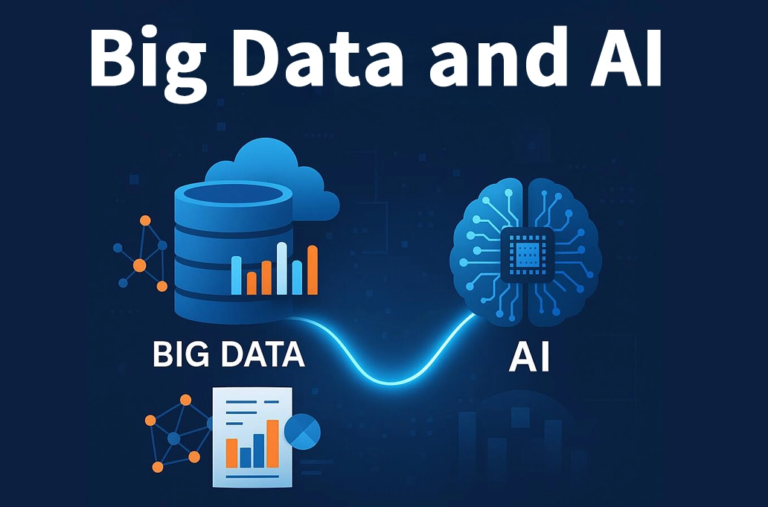
Businesses use advanced analytics, machine learning, and cloud computing technologies to extract meaningful insights from this data.
Why Big Data Matters for Businesses
Before diving into real-life examples, it’s important to understand why Big Data is so valuable:
- Enables better decision-making
- Improves customer personalization
- Enhances operational efficiency
- Reduces risks and fraud
- Drives innovation and new revenue streams
Now, let’s explore how real companies are using Big Data in practical, impactful ways.
1. Personalized Recommendations in E-Commerce
One of the most well-known applications of Big Data is personalized product recommendations.
Example: Amazon
Amazon uses Big Data to analyze:
- Customer browsing history
- Purchase behavior
- Wishlist items
- Product ratings
By processing this data in real time, Amazon’s recommendation engine suggests products that customers are most likely to buy. In fact, a significant portion of Amazon’s revenue comes from its recommendation system.
Business Impact:
- Increased conversion rates
- Higher average order value
- Improved customer satisfaction
2. Customer Retention in Streaming Services
Streaming platforms rely heavily on Big Data to keep users engaged.
Example: Netflix
Netflix collects data on:
- Viewing habits
- Watch time
- Search queries
- Content preferences
Using machine learning algorithms, Netflix recommends shows and movies tailored to each user. It also uses data to decide which original content to produce.
Business Impact:
- Reduced churn rates
- Increased user engagement
- Data-driven content creation
3. Dynamic Pricing in Transportation
Big Data enables companies to adjust prices in real time based on demand and supply.
Example: Uber
Uber uses Big Data to implement “surge pricing.” The system analyzes:
- Number of ride requests
- Driver availability
- Traffic conditions
- Time of day
When demand exceeds supply, prices increase automatically.
Business Impact:
- Balanced supply and demand
- Increased revenue
- Improved service availability
4. Inventory Management in Retail
Retailers use Big Data to optimize inventory levels and reduce waste.
Example: Walmart
Walmart processes massive amounts of transactional data daily. It uses predictive analytics to:
- Forecast product demand
- Optimize stock levels
- Improve supply chain efficiency
For example, Walmart discovered that sales of certain items increase before storms and adjusts inventory accordingly.
Business Impact:
- Reduced stockouts
- Lower inventory costs
- Better customer satisfaction
5. Fraud Detection in Financial Services
Financial institutions rely on Big Data to detect and prevent fraud.
Example: Mastercard
Mastercard analyzes millions of transactions in real time using machine learning models to identify suspicious activity.
It considers:
- Transaction location
- Spending patterns
- Merchant type
- Time of purchase
If a transaction appears unusual, it can be flagged or blocked instantly.
Business Impact:
- Reduced financial losses
- Enhanced security
- Increased customer trust
6. Predictive Maintenance in Manufacturing
Big Data helps manufacturers predict equipment failures before they happen.
Example: General Electric
GE uses sensors embedded in machines to collect data on:
- Temperature
- Pressure
- Vibration
- Performance metrics
This data is analyzed to predict when a machine might fail, allowing maintenance teams to act proactively.
Business Impact:
- Reduced downtime
- Lower maintenance costs
- Increased operational efficiency
7. Targeted Advertising in Digital Marketing
Big Data has revolutionized how businesses approach advertising.
Example: Google
Google uses Big Data to deliver highly targeted ads based on:
- Search history
- Website visits
- Location data
- User interests
Advertisers can reach the right audience at the right time, maximizing ROI.
Business Impact:
- Higher ad conversion rates
- Better audience targeting
- Increased advertising revenue
8. Supply Chain Optimization in Logistics
Logistics companies use Big Data to improve delivery efficiency.
Example: FedEx
FedEx collects data from:
- GPS tracking systems
- Weather forecasts
- Traffic conditions
- Delivery schedules
This data is used to optimize delivery routes and reduce delays.
Business Impact:
- Faster deliveries
- Lower fuel costs
- Improved customer satisfaction
9. Customer Experience Enhancement in Hospitality
Hotels use Big Data to provide personalized guest experiences.
Example: Marriott International
Marriott analyzes guest data such as:
- Booking history
- Room preferences
- Feedback and reviews
This allows them to offer tailored services, such as preferred room types or special amenities.
Business Impact:
- Increased customer loyalty
- Higher repeat bookings
- Improved guest satisfaction
10. Healthcare Analytics for Better Outcomes
Big Data is transforming healthcare by improving diagnosis and treatment.
Example: IBM (Watson Health)
IBM’s Watson analyzes medical data, including:
- Patient records
- Clinical studies
- Medical literature
It helps doctors make more accurate diagnoses and treatment plans.
Business Impact:
- Improved patient outcomes
- Faster diagnosis
- Reduced healthcare costs
11. Social Media Sentiment Analysis
Companies use Big Data to understand public perception of their brand.
Example: Twitter
Businesses analyze tweets and social media posts to:
- Monitor brand reputation
- Identify trends
- Respond to customer feedback
Business Impact:
- Better brand management
- Faster response to issues
- Improved marketing strategies
12. Risk Management in Banking
Banks use Big Data to assess credit risk and make lending decisions.
Example: JPMorgan Chase
JPMorgan analyzes:
- Credit history
- Transaction data
- Behavioral patterns
This helps them determine whether a customer is likely to repay a loan.
Business Impact:
- Reduced default rates
- Improved loan approval accuracy
- Better financial stability
13. Product Development Based on Customer Data
Companies use Big Data to design products that meet customer needs.
Example: Nike
Nike collects data from:
- Fitness apps
- Wearable devices
- Customer feedback
This data informs product design and innovation.
Business Impact:
- More successful product launches
- Increased customer satisfaction
- Stronger brand loyalty
14. Energy Consumption Optimization
Energy companies use Big Data to improve efficiency and sustainability.
Example: Shell
Shell analyzes data from sensors and operational systems to:
- Optimize energy usage
- Reduce emissions
- Improve operational efficiency
Business Impact:
- Cost savings
- Environmental sustainability
- Improved performance
Key Technologies Behind Big Data Applications
To implement these real-world use cases, businesses rely on various technologies:
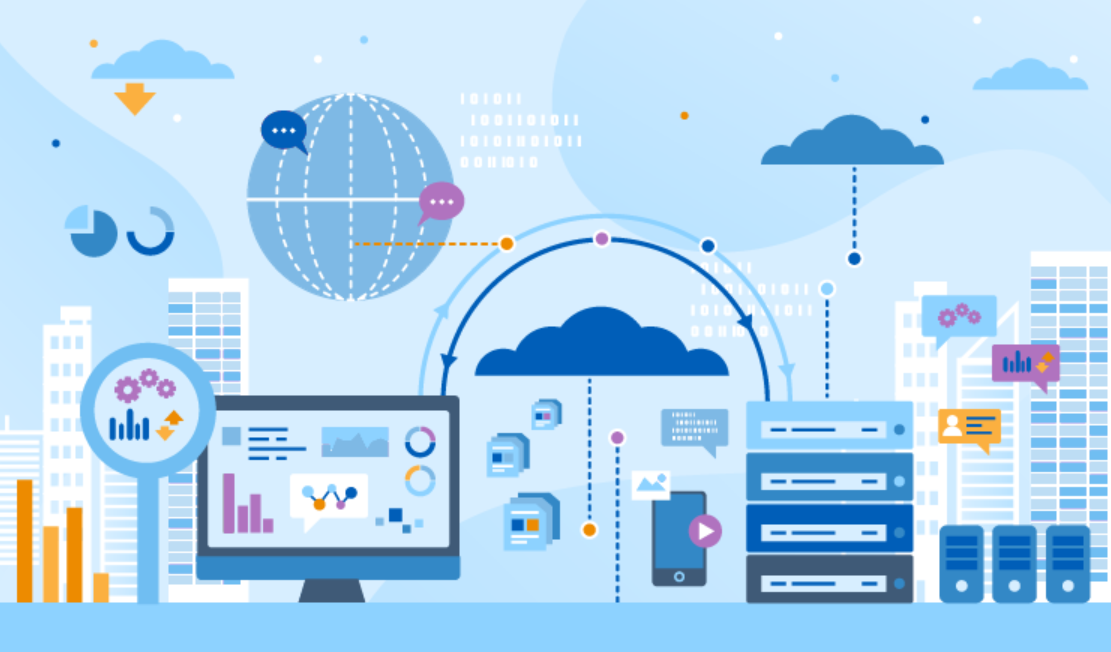
- Cloud Computing – Platforms like AWS and Azure enable scalable data storage
- Machine Learning – Algorithms that learn from data patterns
- Data Warehouses – Centralized data storage systems
- Real-Time Analytics – Instant insights for faster decision-making
- Internet of Things (IoT) – Devices that generate continuous data streams
Challenges of Implementing Big Data
Despite its benefits, Big Data comes with challenges:
1. Data Privacy Concerns
Companies must ensure compliance with data protection regulations.
2. High Implementation Costs
Infrastructure and talent can be expensive.
3. Data Quality Issues
Poor-quality data leads to inaccurate insights.
4. Skill Gaps
There is a shortage of skilled data professionals.
Future Trends in Big Data Applications
The future of Big Data in business looks promising, with emerging trends such as:
- AI-driven analytics
- Edge computing
- Real-time decision-making
- Data democratization
- Automation of business processes
Businesses that embrace these trends will be better positioned for long-term success.
Conclusion
Big Data is no longer optional—it is essential for modern businesses. From personalized recommendations and fraud detection to predictive maintenance and targeted advertising, real-life applications of Big Data are transforming industries worldwide.