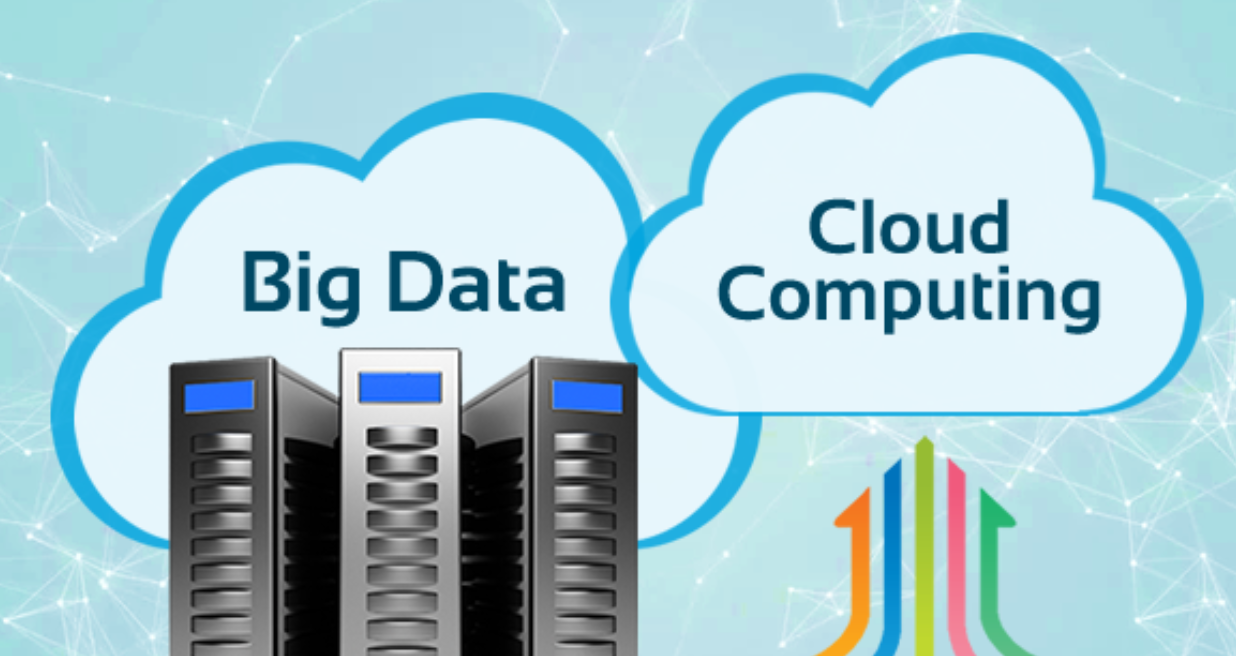
In today’s digital economy, organizations generate massive volumes of data every second—from social media interactions and IoT devices to online transactions and enterprise systems. This explosion of information, commonly referred to as big data, presents both opportunities and challenges. While data can unlock valuable insights, managing and processing it efficiently requires advanced infrastructure and scalable technologies.
This is where cloud computing becomes a game-changer. Platforms such as Amazon Web Services, Google Cloud Platform, and Microsoft Azure have revolutionized how businesses handle big data by offering flexible, scalable, and cost-effective solutions.
In this article, we will explore in depth how cloud computing supports big data processing, the technologies involved, key benefits, real-world applications, and best practices for implementation.
Understanding Big Data
Before diving into cloud computing, it’s essential to understand what big data entails.
Big data is characterized by the three Vs:
- Volume – Massive amounts of data generated daily
- Velocity – The speed at which data is created and processed
- Variety – Different types of data (structured, semi-structured, unstructured)
Today, some experts also include:
- Veracity – Data quality and reliability
- Value – The insights derived from data
Traditional data processing systems struggle to handle these characteristics efficiently. That’s why modern businesses rely on cloud-based solutions.
What Is Cloud Computing?
Cloud computing refers to the delivery of computing services—such as storage, processing power, databases, networking, and analytics—over the internet.
Instead of investing in expensive hardware and infrastructure, companies can access resources on-demand from cloud providers.
There are three main service models:
- Infrastructure as a Service (IaaS)
- Platform as a Service (PaaS)
- Software as a Service (SaaS)
Cloud computing provides the perfect foundation for big data processing due to its flexibility and scalability.
Why Cloud Computing Is Essential for Big Data
1. Scalability on Demand
Big data workloads are unpredictable. Some days require minimal processing, while others involve massive spikes in data.
Cloud platforms allow organizations to scale resources up or down instantly. For example:
- Increase computing power during peak analytics
- Reduce resources during idle periods
This elasticity ensures efficient resource utilization.
2. Cost Efficiency
Traditional data centers require:
- Hardware investment
- Maintenance costs
- IT personnel
Cloud computing eliminates these upfront costs with a pay-as-you-go model.
Companies only pay for the resources they use, making big data processing more affordable—even for startups.
3. High Processing Power
Big data analytics often involves complex computations such as:
- Machine learning
- Data mining
- Predictive analytics
Cloud platforms provide access to:
- High-performance computing (HPC)
- Distributed processing frameworks
- GPU/TPU acceleration
This significantly reduces processing time.
4. Storage Capabilities
Big data requires enormous storage capacity.
Cloud providers offer:
- Virtually unlimited storage
- Data lakes and warehouses
- Backup and redundancy
Examples include:
- Object storage systems
- Distributed file systems
This ensures data is always available and secure.
Key Technologies Enabling Big Data in the Cloud
1. Distributed Computing Frameworks
One of the most important technologies is distributed computing.
Tools like Apache Hadoop and Apache Spark allow data to be processed across multiple nodes simultaneously.
Cloud platforms integrate these tools seamlessly, making deployment easier.
2. Data Lakes
A data lake stores raw data in its native format.
Benefits include:
- Flexibility in data processing
- Ability to store structured and unstructured data
- Cost-effective storage
Cloud-based data lakes eliminate the need for complex infrastructure.
3. Serverless Computing
Serverless architecture allows developers to run code without managing servers.
Benefits:
- Automatic scaling
- Reduced operational complexity
- Cost efficiency
This is ideal for event-driven big data processing.
4. Machine Learning Integration
Cloud platforms provide built-in machine learning tools that can analyze large datasets efficiently.
These tools help in:
- Pattern recognition
- Forecasting
- Automation
How Cloud Computing Processes Big Data
Step 1: Data Ingestion
Data is collected from various sources:
- IoT devices
- Social media platforms
- Business applications
Cloud tools enable real-time and batch ingestion.
Step 2: Data Storage
Data is stored in cloud-based systems such as:
- Data lakes
- Data warehouses
These systems are optimized for scalability and performance.
Step 3: Data Processing
Processing involves:
- Cleaning data
- Transforming data
- Running analytics
Cloud platforms use distributed systems to process data faster.
Step 4: Data Analysis
Advanced analytics tools are used to extract insights:
- Business intelligence dashboards
- Machine learning models
- Visualization tools
Step 5: Data Visualization
Insights are presented in a user-friendly format:
- Charts
- Graphs
- Reports
This helps decision-makers understand complex data easily.
Benefits of Using Cloud for Big Data Processing
1. Flexibility
Organizations can experiment with different tools and technologies without long-term commitments.
2. Faster Time-to-Market
Cloud computing reduces setup time, allowing businesses to deploy solutions quickly.
3. Improved Collaboration
Teams can access data from anywhere, enabling better collaboration.
4. Enhanced Security
Cloud providers offer:
- Data encryption
- Identity management
- Compliance certifications
5. Disaster Recovery
Cloud systems provide automated backups and failover mechanisms.
Real-World Applications
1. Healthcare
Cloud-based big data helps in:
- Disease prediction
- Patient data analysis
- Drug discovery
2. Finance
Financial institutions use big data for:
- Fraud detection
- Risk management
- Customer insights
3. Retail
Retailers analyze customer behavior to:
- Improve marketing strategies
- Optimize inventory
- Personalize shopping experiences
4. Transportation
Big data supports:
- Traffic prediction
- Route optimization
- Autonomous vehicles
5. Entertainment
Streaming platforms analyze user preferences to recommend content.
Challenges of Cloud-Based Big Data Processing
Despite its advantages, there are challenges:
1. Data Privacy
Storing data in the cloud raises concerns about:
- Unauthorized access
- Data breaches
2. Data Transfer Costs
Moving large datasets to the cloud can be expensive.
3. Complexity
Managing big data systems requires skilled professionals.
4. Vendor Lock-In
Switching between cloud providers can be difficult.
Best Practices for Implementing Cloud-Based Big Data
1. Choose the Right Cloud Provider
Evaluate providers based on:
- Pricing
- Performance
- Available tools
2. Optimize Data Storage
Use tiered storage to reduce costs.
3. Implement Security Measures
Ensure:
- Encryption
- Access control
- Regular audits
4. Monitor Performance
Use monitoring tools to track:
- Resource usage
- Processing speed
5. Automate Workflows
Automation improves efficiency and reduces errors.
Future Trends
1. Edge Computing
Processing data closer to the source reduces latency.
2. AI-Powered Analytics
Artificial intelligence will enhance data insights.
3. Multi-Cloud Strategies
Organizations will use multiple cloud providers for flexibility.
4. Real-Time Analytics
Businesses will increasingly rely on instant data insights.
Conclusion
Cloud computing has transformed the way organizations process and analyze big data. By providing scalable infrastructure, powerful processing capabilities, and cost-efficient solutions, cloud platforms enable businesses to unlock the full potential of their data.
As data continues to grow exponentially, the integration of cloud computing and big data will become even more critical. Companies that adopt these technologies will gain a competitive advantage through faster insights, better decision-making, and improved operational efficiency.