In today’s highly competitive digital economy, businesses are constantly searching for ways to operate more efficiently while maximizing profitability. One of the most powerful tools enabling this transformation is Big Data. By leveraging vast amounts of structured and unstructured data, companies can uncover hidden patterns, predict trends, and make smarter decisions that directly impact their bottom line.
From global giants like Amazon and Netflix to small and medium enterprises, organizations across industries are using big data to reduce costs and increase profits in ways that were unimaginable just a decade ago.
This article explores how big data works, its role in cost reduction, and how it drives revenue growth across various sectors.
What Is Big Data?
Big Data refers to extremely large datasets that can be analyzed computationally to reveal patterns, trends, and associations. These datasets typically come from multiple sources such as:
- Customer transactions
- Social media interactions
- IoT devices and sensors
- Website analytics
- Mobile applications
Big data is often characterized by the “3 Vs”:
- Volume – Massive amounts of data
- Velocity – Rapid data generation and processing
- Variety – Different types of data formats
With advanced analytics tools, companies can process this data in real-time and use it to make data-driven decisions.
How Big Data Reduces Operational Costs
1. Improving Operational Efficiency
One of the most immediate benefits of big data is improved efficiency. By analyzing workflows, companies can identify bottlenecks and eliminate inefficiencies.
For example, manufacturing companies use data analytics to monitor equipment performance. Predictive maintenance helps identify potential failures before they happen, reducing downtime and repair costs.
Companies like General Electric use industrial data analytics to optimize machinery performance and minimize operational disruptions.
2. Optimizing Supply Chain Management
Supply chains are complex and costly. Big data enables companies to optimize every stage—from sourcing raw materials to delivering products.
By analyzing historical data and real-time demand, businesses can:
- Reduce excess inventory
- Avoid stockouts
- Optimize delivery routes
- Lower transportation costs
For instance, Walmart uses big data to manage inventory efficiently across thousands of stores, significantly reducing logistics costs.
3. Reducing Energy Consumption
Energy costs are a major expense for many industries. Big data analytics helps companies monitor energy usage and identify waste.
Smart systems can:
- Adjust energy consumption in real time
- Predict peak usage periods
- Optimize resource allocation
Companies like Google have reduced data center energy consumption using AI-driven analytics, saving millions of dollars annually.
4. Minimizing Fraud and Risk
Fraud and operational risks can lead to significant financial losses. Big data helps detect unusual patterns and anomalies in real time.
Financial institutions use big data to:
- Detect fraudulent transactions
- Monitor suspicious behavior
- Reduce compliance costs
For example, PayPal uses machine learning algorithms to analyze millions of transactions and prevent fraud effectively.
5. Automating Routine Processes
Automation powered by big data reduces the need for manual intervention, saving both time and labor costs.
Businesses can automate:
- Customer service (chatbots)
- Data entry tasks
- Marketing campaigns
- Inventory management
This leads to faster operations and reduced human error.
How Big Data Increases Profit
1. Enhancing Customer Insights
Understanding customers is key to increasing revenue. Big data provides deep insights into customer behavior, preferences, and purchasing patterns.
Companies can:
- Segment customers more accurately
- Personalize marketing campaigns
- Improve customer experiences
For instance, Netflix uses big data to recommend content, increasing user engagement and retention.
2. Personalization and Targeted Marketing
Big data allows businesses to deliver highly personalized experiences. Instead of generic ads, companies can target users with relevant content.
Benefits include:
- Higher conversion rates
- Improved customer loyalty
- Increased lifetime value
Amazon is a prime example, using recommendation algorithms to drive a significant portion of its sales.
3. Dynamic Pricing Strategies
Big data enables companies to adjust prices dynamically based on demand, competition, and customer behavior.
Industries using dynamic pricing include:
- Airlines
- Hotels
- E-commerce platforms
By optimizing pricing in real time, businesses can maximize revenue while staying competitive.
4. Product Development and Innovation
Big data helps companies identify market gaps and develop products that meet customer needs.
By analyzing feedback, usage patterns, and trends, businesses can:
- Launch successful products faster
- Reduce development costs
- Increase market acceptance
Companies like Apple leverage data insights to refine products and maintain a competitive edge.
5. Improving Customer Retention
Acquiring new customers is often more expensive than retaining existing ones. Big data helps identify customers at risk of leaving.
Companies can:
- Predict churn
- Offer targeted incentives
- Improve customer satisfaction
This leads to higher retention rates and increased profitability over time.
Real-World Applications Across Industries
Retail
Retailers use big data to analyze shopping behavior, optimize pricing, and manage inventory.
Example:
- Personalized recommendations
- Demand forecasting
- Store layout optimization
Healthcare
Healthcare organizations use big data to improve patient outcomes and reduce costs.
Applications include:
- Predictive diagnostics
- Treatment optimization
- Resource allocation
Finance
Financial institutions rely heavily on big data for:
- Risk management
- Fraud detection
- Investment analysis
Manufacturing
Manufacturers use data analytics for:
- Predictive maintenance
- Quality control
- Supply chain optimization
Transportation and Logistics
Logistics companies use big data to:
- Optimize delivery routes
- Reduce fuel consumption
- Improve delivery times
Companies like FedEx leverage data analytics to streamline operations and enhance efficiency.
Key Technologies Behind Big Data
Several technologies make big data analysis possible:
1. Cloud Computing
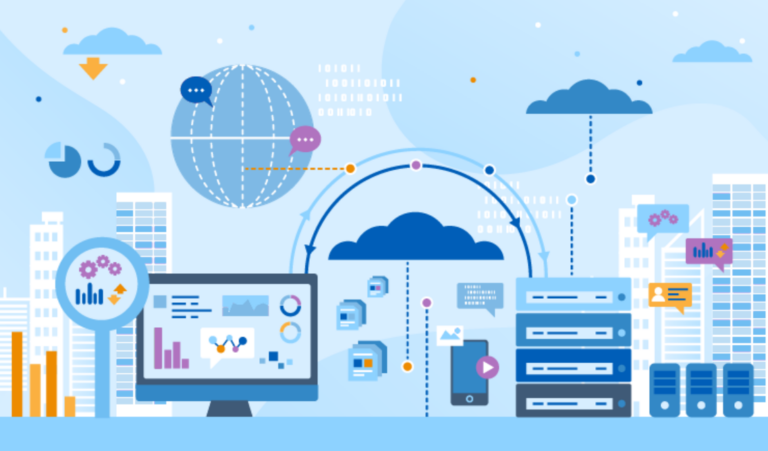
Cloud platforms allow companies to store and process large datasets without heavy infrastructure costs.
Popular providers include:
- Amazon Web Services
- Microsoft Azure
- Google Cloud
2. Machine Learning
Machine learning algorithms analyze data and improve over time, enabling predictive analytics and automation.
3. Data Warehousing
Data warehouses store structured data for analysis and reporting.
4. Data Visualization Tools
Tools like dashboards help businesses interpret complex data easily and make informed decisions.
Challenges of Implementing Big Data
Despite its benefits, big data comes with challenges:
1. Data Privacy and Security
Handling large amounts of sensitive data requires strong security measures.
2. High Initial Investment
Implementing big data infrastructure can be costly, especially for small businesses.
3. Skilled Workforce Requirement
Companies need skilled data scientists and analysts to extract value from data.
4. Data Integration Issues
Combining data from different sources can be complex and time-consuming.
Best Practices for Leveraging Big Data
To maximize the benefits of big data, companies should follow these best practices:
1. Define Clear Objectives
Identify specific goals such as cost reduction or revenue growth.
2. Invest in the Right Tools
Choose scalable and reliable analytics platforms.
3. Focus on Data Quality
Ensure data accuracy and consistency.
4. Build a Data-Driven Culture
Encourage decision-making based on data insights rather than intuition.
5. Continuously Monitor and Improve
Regularly evaluate performance and refine strategies.
Future of Big Data in Business
The role of big data will continue to grow as technologies evolve. Emerging trends include:
- Artificial Intelligence integration
- Real-time analytics
- Edge computing
- Increased automation
Businesses that adopt these technologies early will gain a competitive advantage in their industries.
Conclusion
Big data has become a critical asset for modern businesses aiming to reduce costs and increase profits. By improving operational efficiency, optimizing supply chains, and enabling smarter decision-making, big data helps organizations achieve sustainable growth.
At the same time, it empowers companies to better understand their customers, personalize experiences, and innovate faster—leading to higher revenue and long-term success.
Whether you’re a startup or a global enterprise, embracing big data is no longer optional—it’s essential. Companies that leverage data effectively will not only survive but thrive in the digital age.