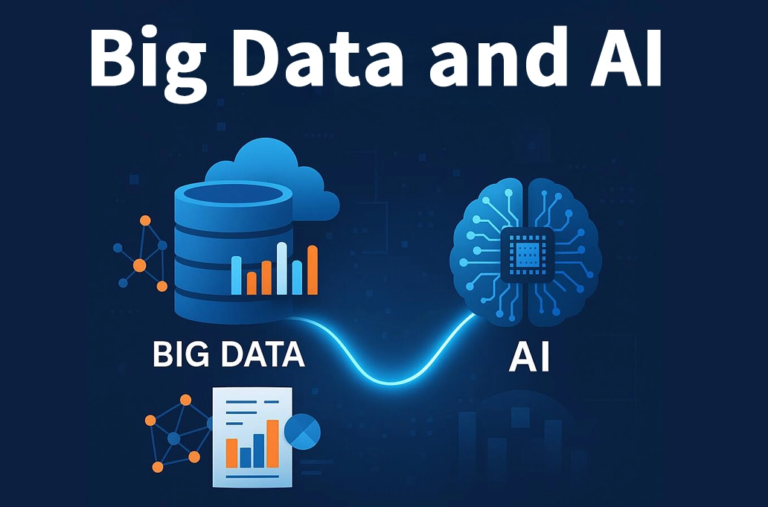
In today’s data-driven world, big data has become one of the most powerful forces shaping business decisions, innovation, and technology. From personalized recommendations on streaming platforms to predictive analytics in healthcare, big data is everywhere. The best part? You don’t need years of experience to get started in this field.
If you’re wondering how to start a career in big data with no experience, this comprehensive guide will walk you through everything you need to know—from understanding the basics to landing your first job.
What Is Big Data?
Big data refers to extremely large and complex datasets that cannot be processed using traditional data-processing tools. These datasets are analyzed to uncover patterns, trends, and insights that help organizations make better decisions.
Big data is typically defined by the “3 Vs”:
- Volume: Massive amounts of data
- Velocity: Speed at which data is generated and processed
- Variety: Different types of data (structured and unstructured)
Understanding these fundamentals is the first step toward building your career.
Why Choose a Career in Big Data?
Starting a career in big data is a smart move for several reasons:
1. High Demand
Companies across industries—finance, healthcare, e-commerce, and more—are constantly looking for skilled data professionals.
2. Attractive Salaries
Big data roles often come with competitive salaries, even for entry-level positions.
3. Career Growth
The field offers multiple career paths such as data analyst, data engineer, and data scientist.
4. No Strict Entry Barrier
Unlike some professions, you don’t necessarily need a formal degree in computer science to begin.
Step 1: Understand the Different Roles in Big Data
Before diving in, it’s important to understand the main roles:
Data Analyst
- Focuses on interpreting data
- Uses tools like Excel, SQL, and visualization software
Data Engineer
- Builds and maintains data pipelines
- Works with tools like Hadoop and Spark
Data Scientist
- Combines statistics, programming, and machine learning
- Builds predictive models
If you’re starting from scratch, becoming a data analyst is usually the easiest entry point.
Step 2: Learn the Essential Skills
You don’t need to learn everything at once. Start with the basics and gradually expand your skill set.
1. Basic Programming
Learn at least one programming language:
- Python (most recommended)
- R (for statistics)
2. SQL (Structured Query Language)
SQL is essential for working with databases. Almost every data job requires it.
3. Data Visualization
Learn tools like:
- Tableau
- Power BI
- Matplotlib (Python library)
4. Statistics Fundamentals
Understanding basic statistics helps you interpret data correctly:
- Mean, median, mode
- Probability
- Correlation vs causation
5. Big Data Tools (Optional for Beginners)
Once you’re comfortable, explore:
- Hadoop
- Apache Spark
Step 3: Take Online Courses and Certifications
Since you have no experience, structured learning is crucial. Many online platforms offer beginner-friendly courses:
Recommended Platforms
- Coursera
- Udemy
- edX
- DataCamp
What to Look For
- Hands-on projects
- Real-world case studies
- Beginner-friendly explanations
Certifications can also boost your resume and show employers that you’re serious.
Step 4: Work on Real Projects
Learning theory is not enough—you need practical experience.
Project Ideas for Beginners
- Analyze sales data from a CSV file
- Create a dashboard using Power BI
- Build a simple recommendation system
- Analyze social media trends
Where to Find Datasets
- Kaggle
- Google Dataset Search
- Government open data portals
Pro Tip
Upload your projects to GitHub. This acts as your portfolio and demonstrates your skills to employers.
Step 5: Build a Strong Portfolio
A portfolio is your biggest asset when you have no experience.
What to Include
- 3–5 well-documented projects
- Clear explanations of your process
- Visualizations and insights
Make It Stand Out
- Use real-world problems
- Focus on storytelling with data
- Keep your code clean and organized
Step 6: Learn Data Storytelling
Data is only valuable if you can communicate it effectively.
Key Skills
- Presenting insights clearly
- Using visuals to support your findings
- Explaining technical concepts in simple terms
Employers value candidates who can turn data into actionable insights.
Step 7: Gain Practical Experience (Even Without a Job)
You don’t need a formal job to gain experience.
Ways to Gain Experience
- Freelance projects
- Internships (paid or unpaid)
- Volunteer work for NGOs
- Contributing to open-source projects
Even small projects count as experience if you can explain what you did and learned.
Step 8: Network with Industry Professionals
Networking can open doors that skills alone cannot.
Where to Network
- Data science communities
- Online forums like Reddit or Stack Overflow
Tips
- Share your projects
- Engage with others’ content
- Ask thoughtful questions
Step 9: Prepare for Job Applications
When you’re ready, start applying for entry-level roles.
Job Titles to Search
- Junior Data Analyst
- Data Analyst Intern
- Business Intelligence Analyst
Resume Tips
- Highlight skills and projects (not just education)
- Use keywords like SQL, Python, data visualization
- Keep it clear and concise
Interview Preparation
- Practice SQL queries
- Review basic statistics
- Be ready to explain your projects in detail
Step 10: Keep Learning and Growing
Big data is constantly evolving. To stay competitive:
- Learn new tools and technologies
- Follow industry trends
- Take advanced courses
Continuous learning is key to long-term success.
Common Challenges (and How to Overcome Them)
1. Feeling Overwhelmed
Start small. Focus on one skill at a time.
2. Lack of Confidence
Remember, everyone starts from zero. Practice consistently.
3. No Job Responses
Improve your portfolio and resume. Tailor applications for each job.
Career Path Roadmap (Beginner to Advanced)
Here’s a simple roadmap you can follow:
Beginner (0–3 Months)
- Learn Python basics
- Understand SQL
- Study basic statistics
Intermediate (3–6 Months)
- Work on projects
- Learn data visualization tools
- Build portfolio
Advanced (6–12 Months)
- Learn big data tools (Hadoop, Spark)
- Apply for jobs
- Specialize in a niche
Tools You Should Know
Here’s a quick list of essential tools:
Programming
- Python
- R
Databases
- MySQL
- PostgreSQL
Visualization
- Tableau
- Power BI
Big Data Tools
- Hadoop
- Apache Spark
Tips for Success
- Be consistent: Practice daily, even if only for 1 hour
- Focus on fundamentals: Don’t rush into advanced tools
- Build real projects: They matter more than certificates
- Stay curious: Always explore new ideas and trends
Final Thoughts
Starting a career in big data with no experience may seem challenging, but it’s absolutely achievable with the right approach. Focus on building foundational skills, working on real projects, and continuously improving your knowledge.
Remember, every expert was once a beginner. With dedication, consistency, and a willingness to learn, you can successfully break into the world of big data and build a rewarding career.
Frequently Asked Questions (FAQs)
1. Can I start a career in big data without a degree?
Yes, many professionals enter the field through self-learning and online courses.
2. How long does it take to become job-ready?
Typically 3–6 months with consistent effort.
3. Is coding mandatory?
Basic coding (especially Python) is highly recommended.
4. What is the easiest role to start with?
Data Analyst is the most beginner-friendly role.