In today’s rapidly evolving digital landscape, big data has become the backbone of innovation, decision-making, and competitive advantage. Businesses, governments, and organizations worldwide are leveraging data to unlock insights, improve efficiency, and create new opportunities. As we move further into this year, several big data trends are reshaping industries and redefining how data is collected, processed, and utilized.
From artificial intelligence integration to real-time analytics and data privacy concerns, understanding these trends is essential for anyone looking to stay ahead in the digital economy. In this comprehensive guide, we explore the top big data trends you simply cannot ignore this year.
1. The Rise of AI-Driven Big Data Analytics
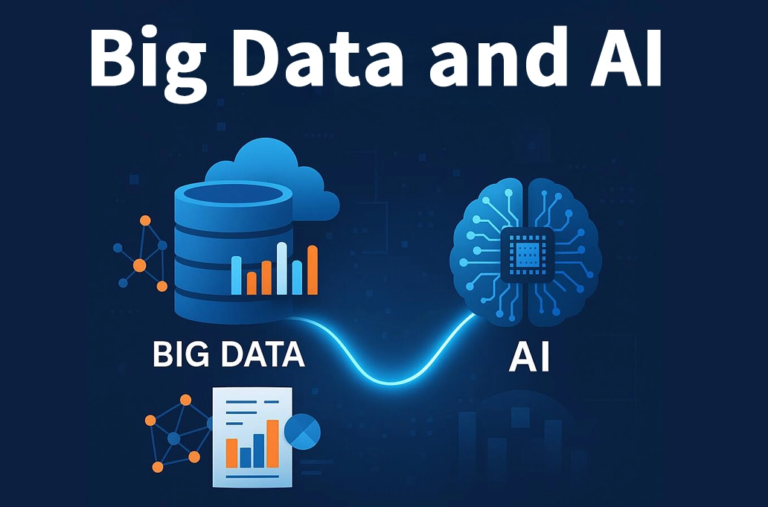
One of the most significant trends in big data is the growing integration of artificial intelligence (AI) and machine learning (ML). Companies like Google and Amazon are heavily investing in AI-powered analytics platforms to process vast amounts of data faster and more accurately.
AI enables systems to:
- Detect patterns automatically
- Predict future outcomes
- Automate decision-making processes
Machine learning models continuously improve as they process more data, making them invaluable for industries like healthcare, finance, and e-commerce.
Why it matters:
Organizations that leverage AI-driven analytics can make smarter decisions in real-time, gaining a competitive edge.
2. Real-Time Data Processing Becomes the Norm
Traditional batch processing is rapidly being replaced by real-time data streaming. Technologies like Apache Kafka and cloud-based platforms are enabling businesses to analyze data as it is generated.
For example:
- Financial institutions detect fraud instantly
- E-commerce platforms personalize user experiences in real-time
- Logistics companies optimize routes dynamically
Companies such as Netflix rely on real-time analytics to recommend content based on user behavior.
Key benefit:
Faster insights lead to faster actions, improving customer satisfaction and operational efficiency.
3. Data Privacy and Security Take Center Stage
With the explosion of data comes increased concern about privacy and security. Regulations like GDPR and evolving data laws worldwide are forcing organizations to rethink how they handle data.
Major companies like Facebook (now Meta) have faced scrutiny over data misuse, highlighting the importance of transparency.
Key trends in this area:
- Zero-trust security models
- Data encryption by default
- Privacy-first data architectures
Why it’s critical:
Failing to secure data can result in massive fines, reputational damage, and loss of customer trust.
4. Growth of Edge Computing
Edge computing is revolutionizing how data is processed by bringing computation closer to the data source rather than relying solely on centralized cloud systems.
This is especially important for:
- IoT devices
- Autonomous vehicles
- Smart cities
Companies like Microsoft and IBM are investing heavily in edge solutions.
Advantages include:
- Reduced latency
- Lower bandwidth usage
- Faster decision-making
5. Data Fabric and Data Mesh Architectures
Traditional data warehouses are evolving into more flexible architectures like data fabric and data mesh.
Data Fabric
A unified architecture that connects data across different environments, enabling seamless access and integration.
Data Mesh
A decentralized approach where data ownership is distributed across teams, improving scalability and agility.
Why this matters:
Organizations can manage complex data ecosystems more efficiently and reduce bottlenecks.
6. Cloud-Native Big Data Platforms Dominate
Cloud computing continues to be a driving force behind big data innovation. Platforms offered by companies like Amazon Web Services and Google Cloud provide scalable, cost-effective solutions for data storage and processing.
Benefits of cloud-native platforms:
- Elastic scalability
- Pay-as-you-go pricing
- Global accessibility
Trend insight:
More businesses are moving away from on-premise systems to cloud-based infrastructures.
7. Increased Use of Data in Automation
Automation powered by big data is transforming industries. From robotic process automation (RPA) to intelligent workflows, data is at the core of automation systems.
Use cases include:
- Customer service chatbots
- Automated marketing campaigns
- Predictive maintenance in manufacturing
Impact:
Automation reduces human error, increases efficiency, and lowers operational costs.
8. The Explosion of IoT Data
The Internet of Things (IoT) continues to generate massive amounts of data. Devices such as smart home systems, wearable technology, and industrial sensors are constantly producing data streams.
Companies like Tesla use IoT data to improve vehicle performance and safety.
Key challenges:
- Data storage
- Data processing speed
- Security vulnerabilities
Opportunity:
Organizations that can effectively harness IoT data gain valuable insights into user behavior and system performance.
9. Data Democratization
Data is no longer limited to data scientists. Modern tools are making data accessible to non-technical users across organizations.
Self-service analytics platforms allow:
- Business analysts to create reports
- Marketing teams to analyze campaigns
- Executives to make data-driven decisions
Why it’s important:
Empowering employees with data leads to better collaboration and innovation.
10. Ethical AI and Responsible Data Usage
As AI becomes more integrated with big data, ethical concerns are growing. Issues such as bias in algorithms and misuse of data are becoming critical topics.
Organizations are focusing on:
- Transparent AI models
- Fair data practices
- Ethical governance frameworks
Example:
Companies like OpenAI emphasize responsible AI development.
11. Data Visualization Becomes More Advanced
Data visualization tools are evolving to present complex data in more intuitive and interactive ways.
Modern dashboards include:
- Real-time updates
- AI-generated insights
- Interactive charts
Tools like Tableau and Power BI are leading this space.
Benefit:
Better visualization leads to better understanding and faster decision-making.
12. Hybrid and Multi-Cloud Strategies
Organizations are increasingly adopting hybrid and multi-cloud strategies to avoid vendor lock-in and improve resilience.
Benefits include:
- Flexibility in choosing providers
- Improved disaster recovery
- Optimized performance
Companies like Oracle are expanding their cloud offerings to support this trend.
13. Predictive and Prescriptive Analytics
Beyond descriptive analytics, businesses are now focusing on predictive and prescriptive analytics.
- Predictive analytics forecasts future outcomes
- Prescriptive analytics recommends actions
Industries using these technologies:
- Healthcare (disease prediction)
- Finance (risk management)
- Retail (inventory optimization)
Impact:
Organizations can move from reactive to proactive decision-making.
14. Data Governance Becomes a Priority
As data volumes grow, managing data quality and compliance becomes essential.
Key components of data governance:
- Data quality management
- Metadata management
- Compliance monitoring
Why it matters:
Poor data governance leads to inaccurate insights and regulatory risks.
15. Quantum Computing and Big Data (Emerging Trend)
Although still in its early stages, quantum computing has the potential to revolutionize big data processing.
Companies like IBM are exploring quantum solutions to solve complex data problems faster than traditional computers.
Future potential:
- Faster data analysis
- Advanced cryptography
- Complex simulations
16. Sustainability and Green Data Centers
With increasing data consumption, energy usage is becoming a concern. Companies are focusing on building sustainable data centers.
Initiatives include:
- Renewable energy usage
- Efficient cooling systems
- Carbon-neutral operations
Example:
Google has committed to operating on carbon-free energy.
17. Natural Language Processing (NLP) Advancements
Natural Language Processing is enabling machines to understand and interpret human language more effectively.
Applications include:
- Voice assistants
- Sentiment analysis
- Automated content generation
Why it matters:
NLP bridges the gap between humans and machines, making data more accessible.
18. Data Monetization Strategies
Organizations are increasingly looking at data as a revenue-generating asset.
Ways to monetize data:
- Selling anonymized datasets
- Offering data-driven services
- Enhancing products with data insights
Opportunity:
Companies can create new revenue streams by leveraging their data assets.
19. Integration of Blockchain with Big Data
Blockchain technology is being integrated with big data to enhance security and transparency.
Benefits include:
- Immutable data records
- Improved data integrity
- Secure data sharing
Use cases:
- Supply chain tracking
- Financial transactions
- Healthcare data management
20. Skills Gap and Demand for Data Professionals
As big data continues to grow, the demand for skilled professionals is skyrocketing.
High-demand roles:
- Data scientists
- Data engineers
- AI specialists
Challenge:
Organizations must invest in training and upskilling to bridge the talent gap.
Conclusion
Big data is no longer just a buzzword—it is a critical component of modern business strategy. The trends highlighted in this article demonstrate how data is shaping the future across industries.
From AI-driven analytics and real-time processing to data privacy and sustainability, staying informed about these developments is essential. Companies that embrace these trends will be better positioned to innovate, compete, and thrive in an increasingly data-driven world.